Something has shifted in the way Australians build. A growing number of people planning a new home — particularly at the higher end of the market — are no longer content to hand over a set of drawings and take the sharpest price that comes back. They’re seeking out builders who treat design as their own responsibility and carry it through to the last detail.
It’s a quiet change, but a telling one. Here’s what’s behind it.
Australians see far more good design than they did a generation ago — in the homes around them, in the media they follow, in the places they travel and stay. The eye has sharpened, and with it the expectations. Most people can now tell when a home resolves and when it doesn’t, even without the vocabulary to say why.
That literacy changes what they want from their own build. When you can feel the difference a well-handled detail makes, “near enough” stops being good enough. Add to that a simple truth — most of us build once, maybe twice, in a lifetime — and the appetite tips firmly towards getting it right rather than getting it fast.
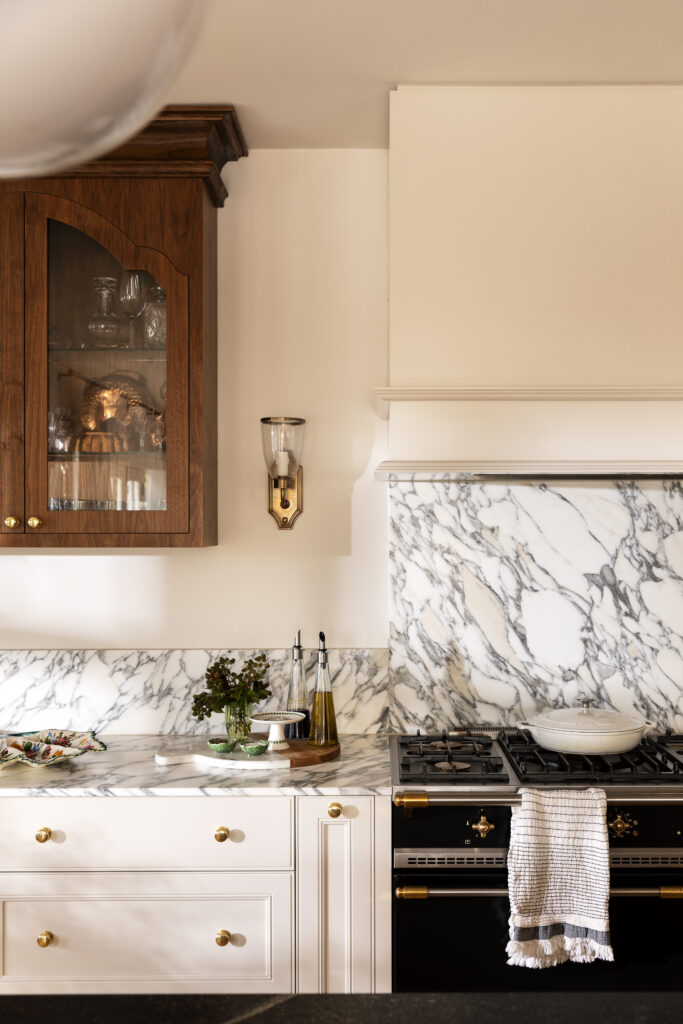
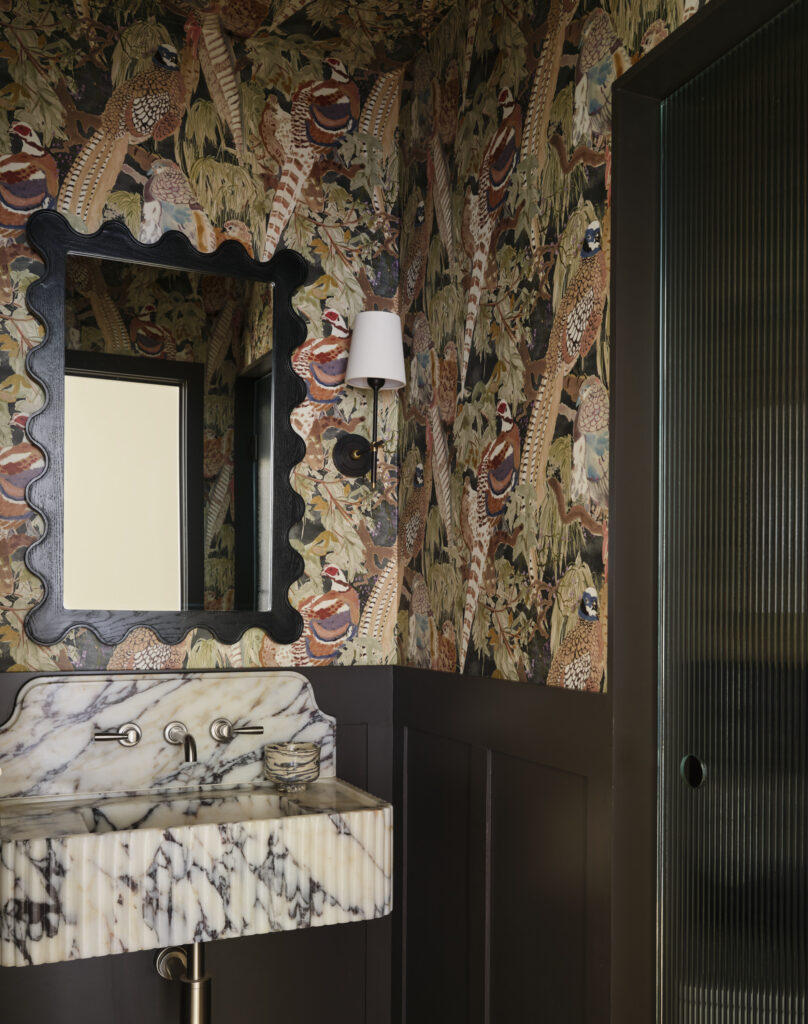
When people picture design, they picture the finishes: the stone, the tapware, the colour of the joinery. Those matter. But the quality you sense walking into a well-built home usually comes from somewhere quieter — the way a wall meets the ceiling, where a shadow line sits, how two materials are brought together at a junction, whether a door reads flush with the wall or stands slightly proud of it.
These are the decisions that never appear on a selections list. They’re resolved in set-out drawings, on site, in the space between what’s drawn and what’s built — and the homeowners driving this shift have learned to notice them. It’s why they look past the display-home gloss and ask harder questions about how a house is actually put together.
Good detailing is a conversation between design and build, held early and held often. A shadow line at the ceiling reads clean because someone planned the plasterboard and the trim to make room for it. A tiled floor runs without awkward slivers at the edges because the set-out started from the drain and the main sightline, not the nearest corner. Joinery sits tight to a wall that isn’t perfectly square because it was scribed to fit. Door heads and window heads align to a common datum, so the eye follows one clean line across the room.
None of that is luck. It’s design knowledge and building knowledge working the same problem — and the people choosing design-led builders have worked out that this is where a home either resolves or doesn’t.
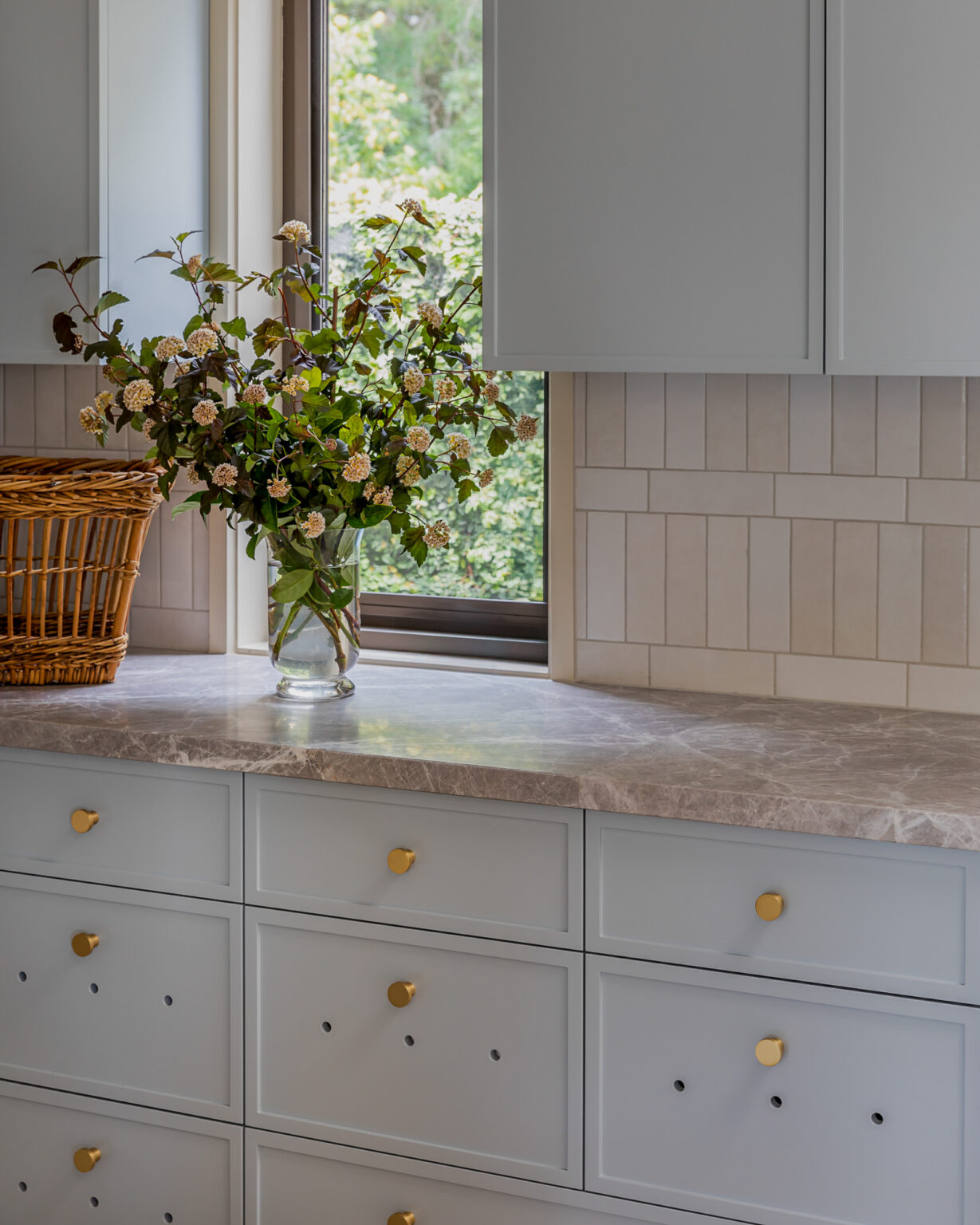
A luxury home is a long series of choices, and the best of them age well. Part of caring about design is knowing how a material behaves in five years, not just how it photographs on the day — how a stone wears, how a timber moves, how a finish handles Peninsula light and coastal air. That’s practical knowledge as much as aesthetic judgement, and it’s what keeps a house looking whole well after handover. Homeowners are increasingly buying that longevity as much as the look.
Put these things together and you get a home that reads as one thing rather than a collection of nice parts. It feels settled.
The proportions sit right, the lines run clean, the materials belong together, and the details reward a second look. It’s also a home that holds its value, because resolution is something people recognise even when they can’t quite name it.
That’s what this shift is really about: not a longer list of features, but a house that comes together to work functionally, and stay beautiful for years to come.