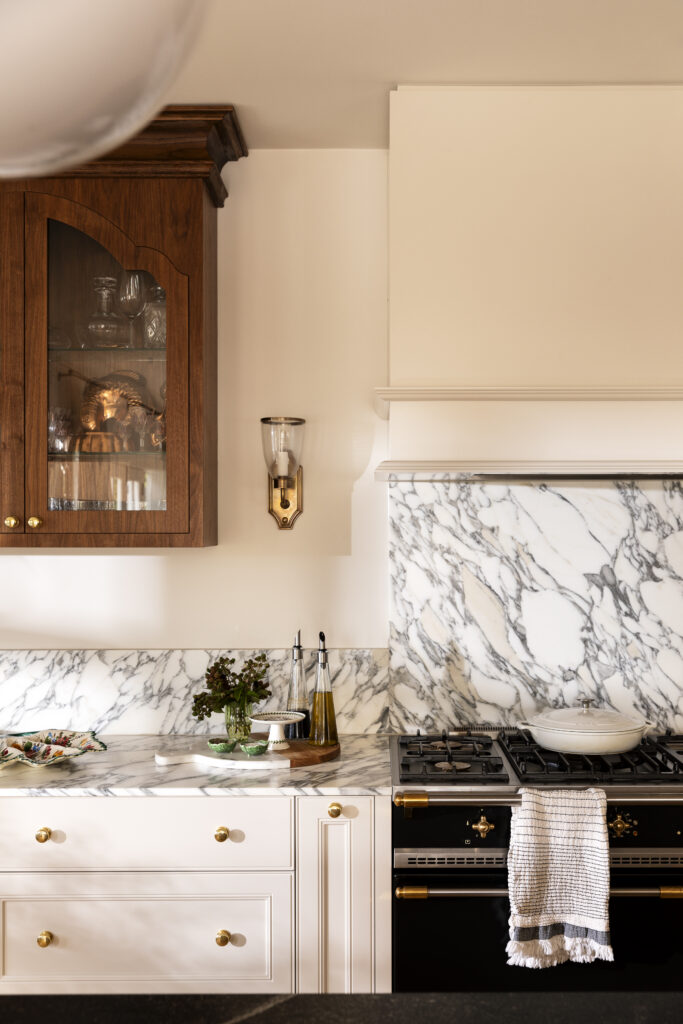
There’s a particular kind of house you find all over Australia — solid, honest, built to last, and almost entirely unsuited to the way we live now. The 1970s home. Brick veneer, low ceilings, a warren of small rooms, and a floorplan that made perfect sense fifty years ago and makes very little today.
We know these homes well.
One of our most recognised projects, Eliza Bay, was exactly that: a dated build on the Mornington Peninsula, hardly touched in decades, that we transformed into the home now featured in Home Beautiful. So when we talk about renovating old homes in Australia, we’re not speaking in theory. We’ve been elbow-deep in the red brick. Here’s what to actually expect.
The single biggest thing you’ll confront in a 1970s home is the layout. Homes of that era were built as a series of separate, closed-off rooms — a formal lounge here, a kitchen tucked away there, hallways connecting small spaces that rarely see the light. It’s the opposite of how families live now, where the kitchen is the heart of the home and everyone drifts toward the same open space.
At Eliza Bay, the original home was a warren of small rooms with almost no connection between them. The work wasn’t about adding grandeur — it was about opening things up, drawing in light, and creating a flow that let the house breathe. That’s the real prize in a 1970s renovation: the bones are usually good, and the transformation comes from rethinking how the space works, not just how it looks.
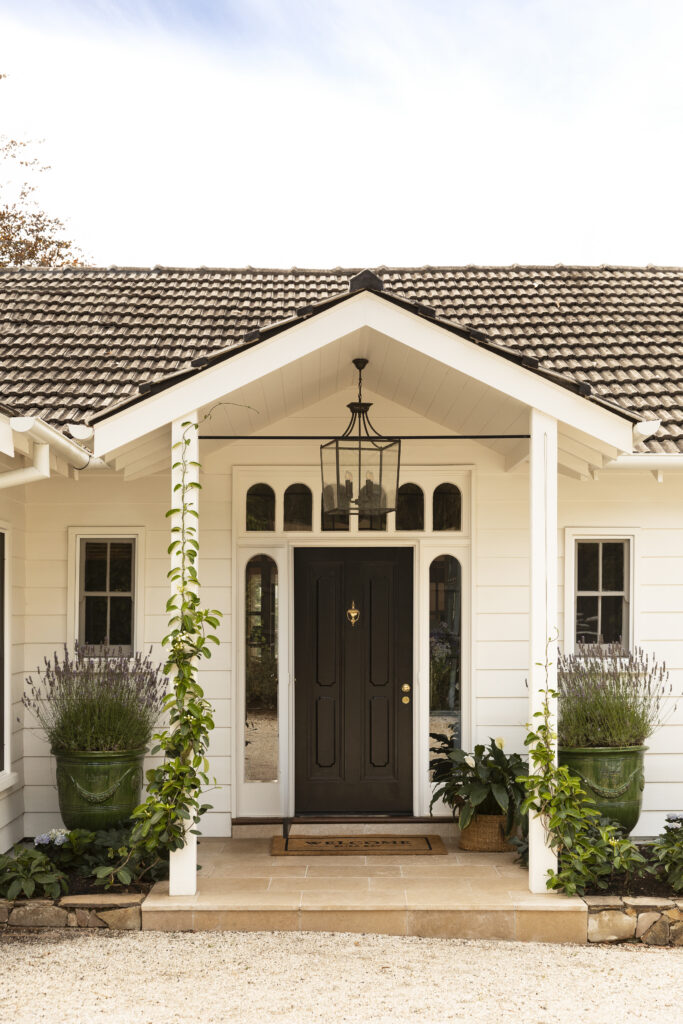
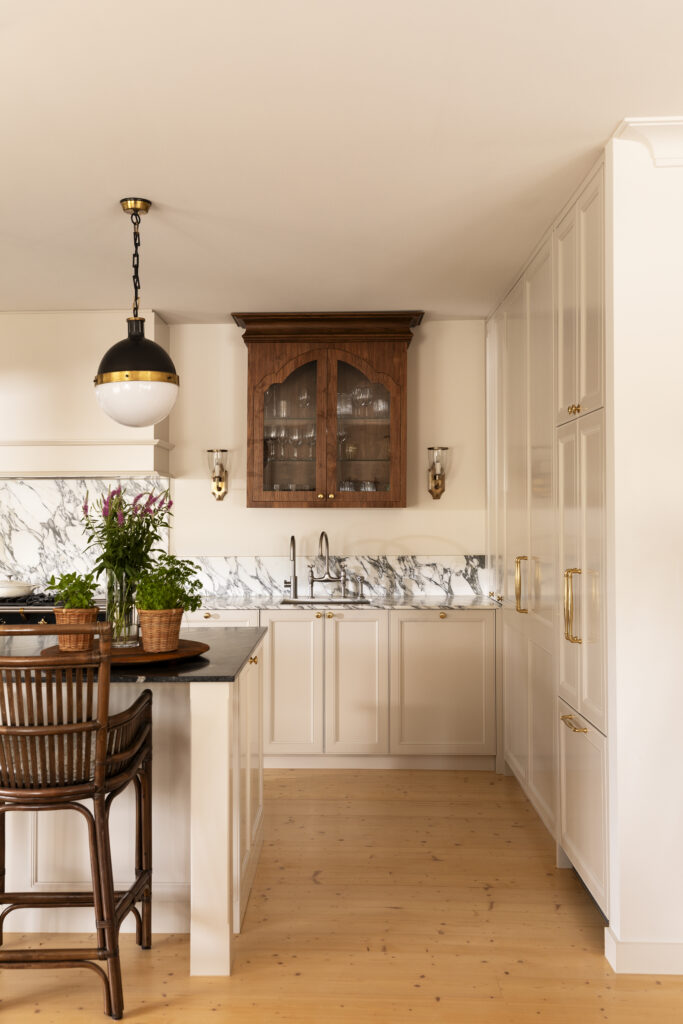
A 1970s home was rarely built with energy efficiency in mind. Thin walls, little insulation, and single glazing mean these houses are often cold in winter and hot in summer. A renovation is your once-in-a-generation chance to fix that — improved insulation, better glazing, and a considered approach to orientation and airflow can turn a draughty old house into something genuinely comfortable year-round. It’s invisible work that no one sees and everyone feels.
Every old home has secrets, and 1970s builds are no exception. This is the era to be alert to asbestos — common in materials of the period, and something that must be assessed and handled by licensed professionals before any demolition begins. Beyond that, you may find dated wiring, minimal insulation, single-glazed windows, and plumbing that’s reached the end of its life. None of this should scare you off — it’s simply part of the honest picture, and budgeting for the unknown is one of the smartest things you can do before you start.
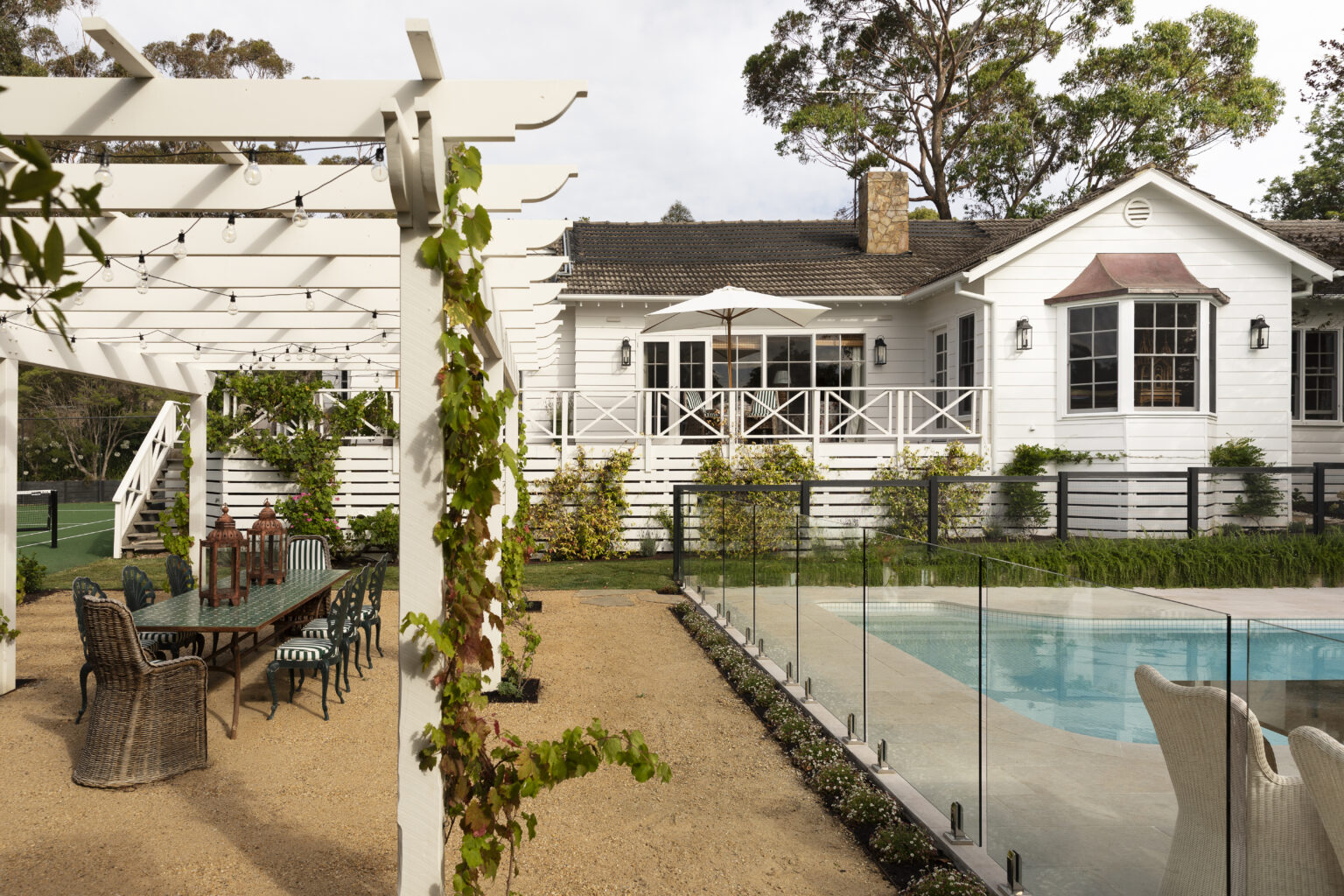
Not everything from the ’70s needs to go. These homes were often built with materials and craftsmanship that are hard to find now — solid brickwork, real timber, generous blocks with established gardens. The art of renovating an old home well is knowing what to keep and what to let go. At Eliza Bay, we worked with the site rather than against it — carrying forward what mattered, letting go of what didn’t, and letting the setting shape every decision. The result doesn’t feel like a new house pretending to be old, or an old house awkwardly modernised — it feels like it was always meant to be this way.
If there’s one thing a 1970s renovation teaches you, it’s that the surprises are easier to handle when design and construction are working together from the start. Old homes reward that kind of joined-up thinking. There are too many unknowns to hand the vision off halfway — and having one team hold the project end to end, from the first drawing to the final detail, is what turns a difficult brief into a home you’d never want to leave.
Renovating a home from the 1970s isn’t about erasing its past. It’s about carrying the good bones forward and shaping something that fits the way you live now.
Done well, these are some of the most rewarding homes to transform — and often, the ones with the best stories to tell.