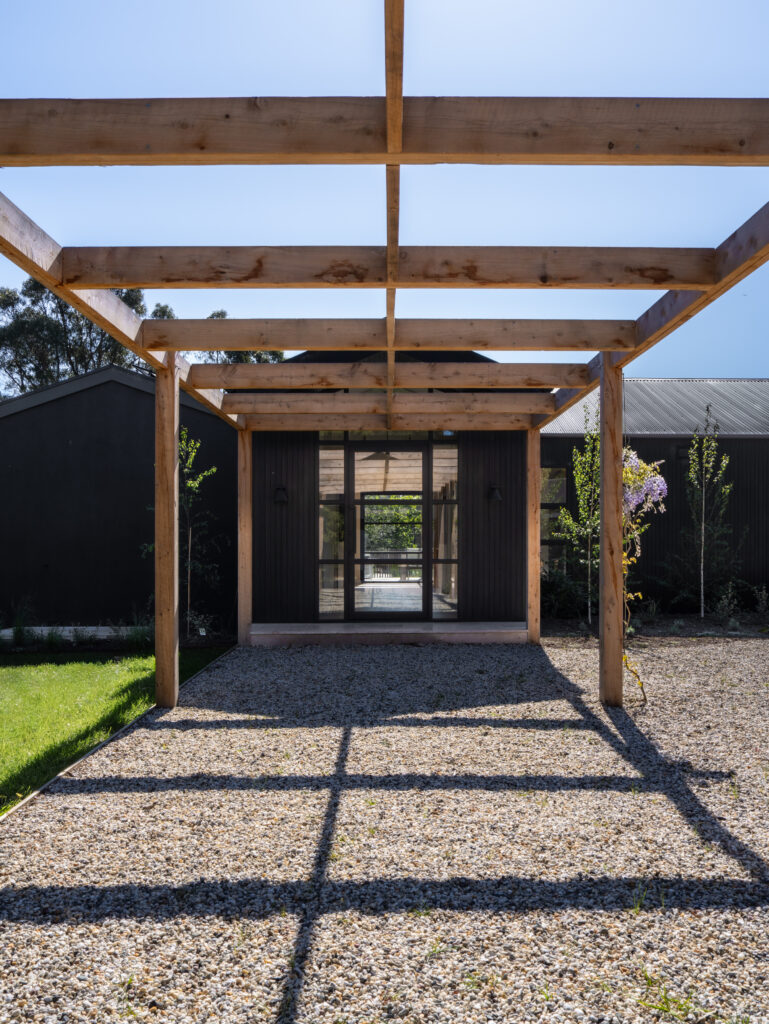
Think about the last time you walked into someone’s home.
Before you’d seen the kitchen, before anyone offered you a drink, you’d already formed an impression — of the light, the space, the feeling of the place. That impression was made in the entry. And yet it’s the one part of the home we consistently overlook.
We spend months agonising over kitchens and bathrooms, and treat the entry as the leftover space between the front door and everywhere else. But a good entry does quiet, important work: it sets the tone, it manages the daily chaos of a household, and it’s the first and last thing you experience every single day. When it comes to home entry design ideas in Australia, this is the room most worth rethinking — and the one most often ignored.
There’s a reason the best homes make you slow down as you walk in. A a well-planned entry creates a moment of transition — from the outside world to the sanctuary of home. It’s the pause before the reveal.
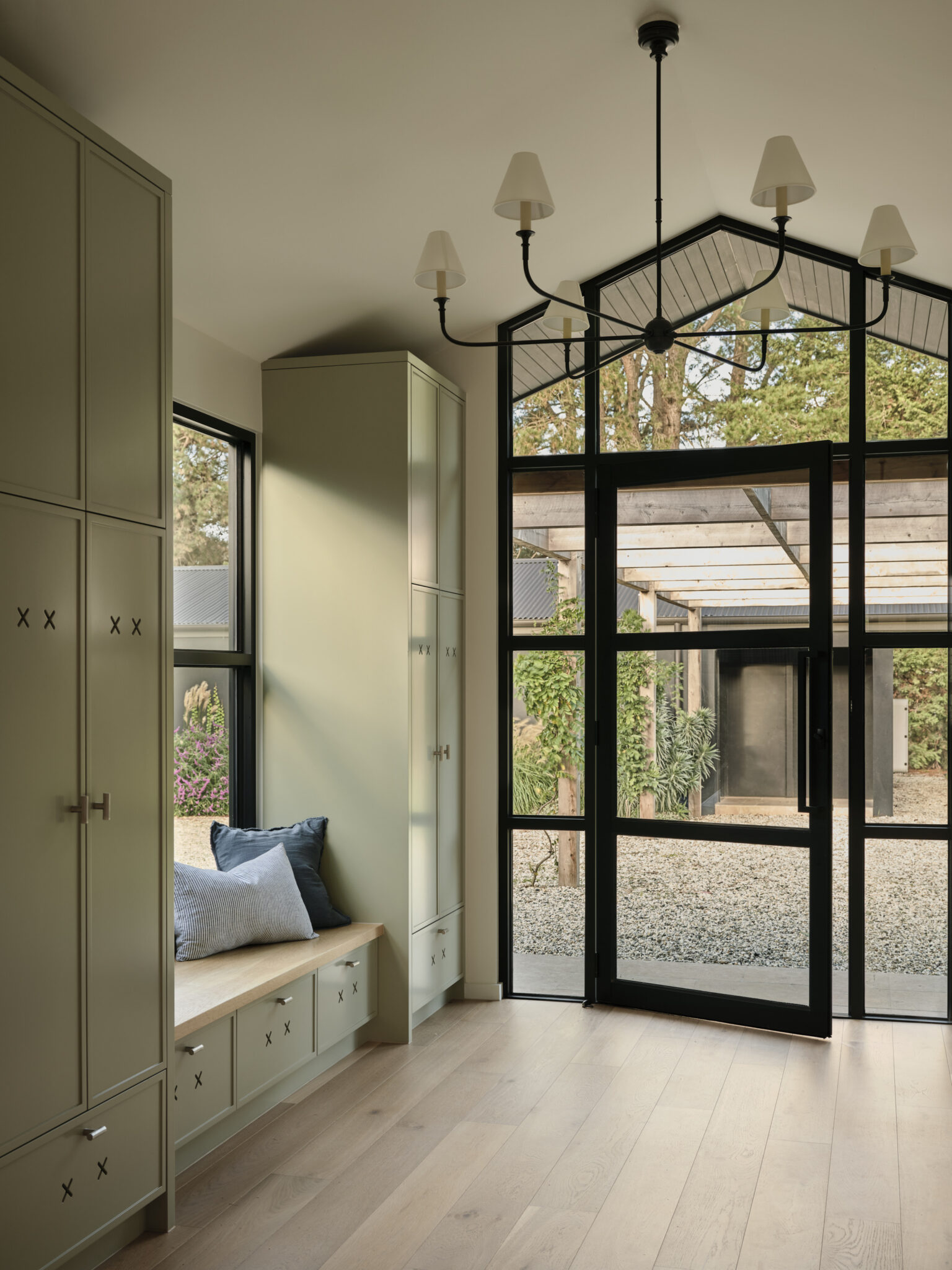
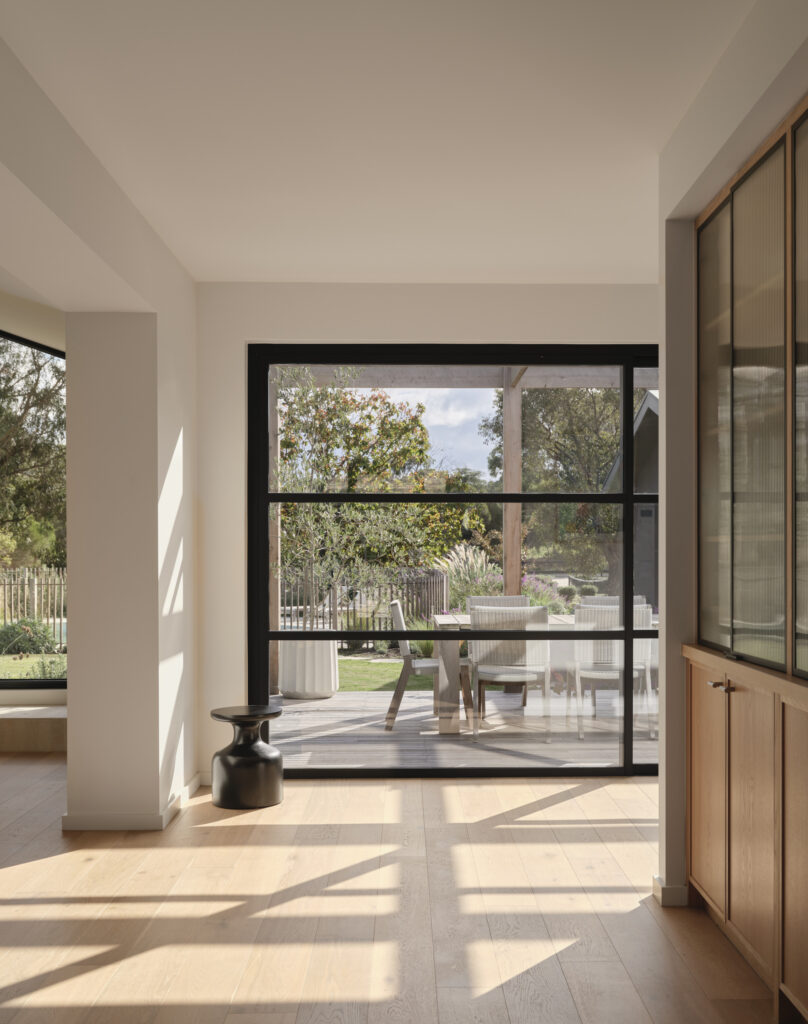
At our first Wilhaus project, a Peninsula home featured in Australian House & Garden, the entire experience of the house was designed to unfold slowly, and it began at the pitched entry. From there, the home opens gradually — past the living space, toward the light, out to the lake and gardens beyond. That sense of a home revealing itself over time doesn’t happen by accident. It starts the moment you step through the door.
If you’re rethinking your own entry, here are the elements that make the biggest difference:
Build in your storage.
A bench with concealed storage, a bank of cupboards, or a wall of hooks at the right height turns a chaotic threshold into a calm one. The goal is a home for everything that comes through the door.
Give it a seat.
A simple bench does more than you’d think — a place to sit and pull off boots, rest a bag, or pause for a moment. It signals that the entry is a room, not a corridor.
Layer the light.
Entries are often dark. A combination of natural light, a warm overhead fixture, and a lamp or wall light for evenings makes the space feel welcoming rather than transitional.
Add a moment of character.
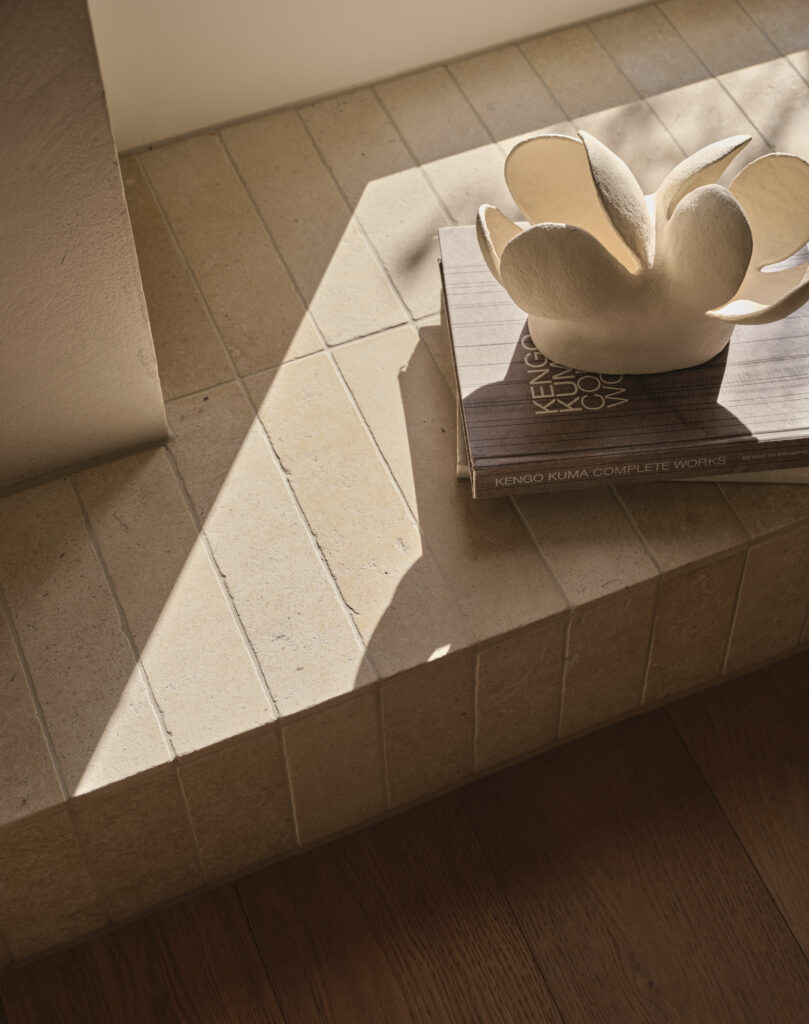
A piece of art, a considered runner, a mirror, a single beautiful object on a console — the entry is a small space, which makes it the perfect place to invest in one detail that sets the tone.
Think about the reveal.
Where does the eye travel as you walk in? The best entries frame a view — into the home, out to the garden, toward the light. Even a glimpse is enough to draw you through.
For all its emotional weight, the entry is also brutally practical. It’s where shoes pile up, where bags are dropped, where keys go missing. In a busy household, it absorbs the daily mess of coming and going — and if it’s not designed to handle that, the clutter simply spills into the rest of the home.
This is exactly why, at our Mornington Peninsula Project, a designated entry was drawn into the renovation from the start — complete with storage cupboards and a built-in bench seat. For a family of five, that wasn’t a luxury; it was essential to daily life. Somewhere to sit and take off shoes, somewhere to hide the clutter, somewhere that let the rest of the home stay calm.
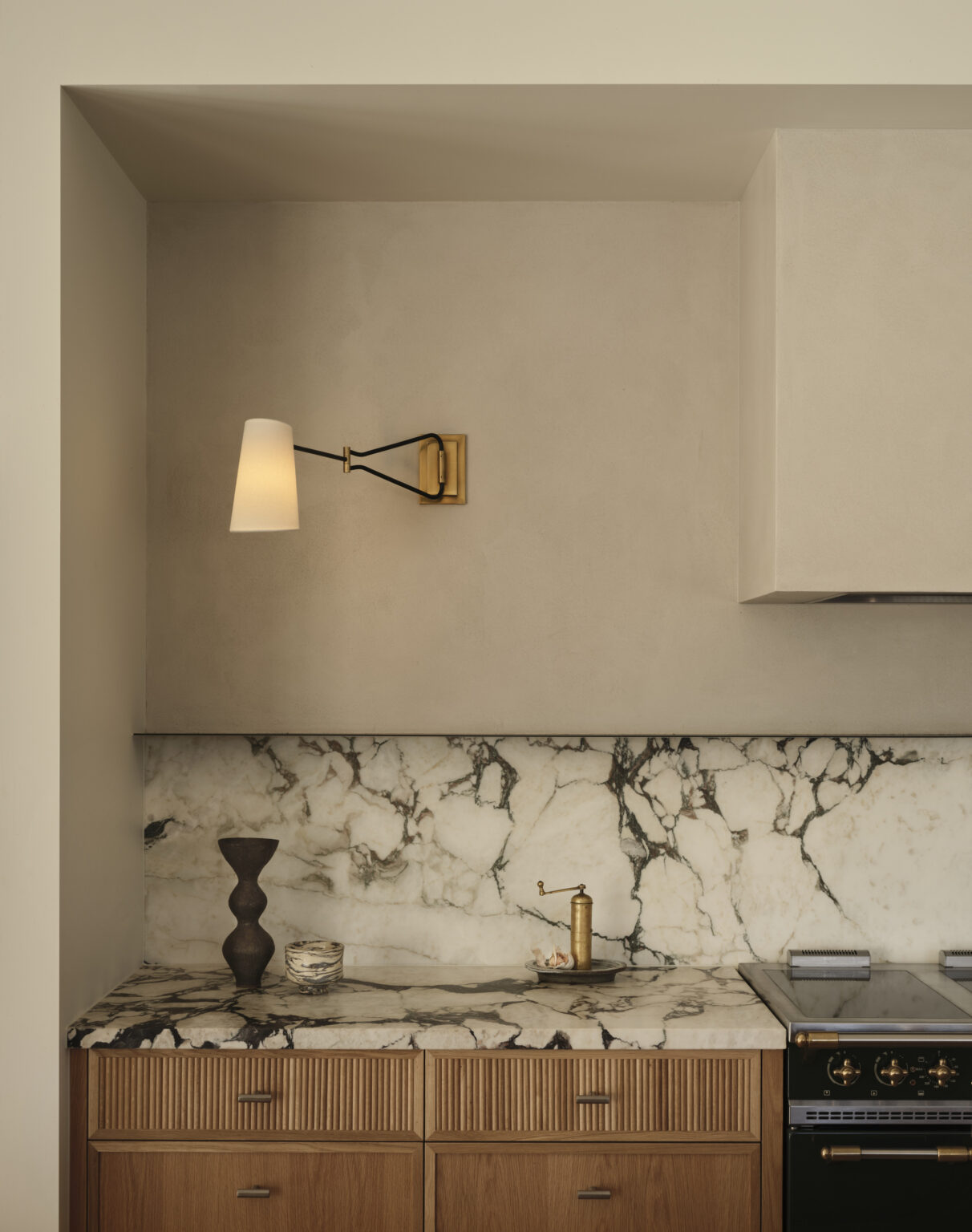
The entry may be the smallest room in your home, but few spaces give back more for the attention. Get it right and it does three things at once: it welcomes you, it organises your life, and it quietly tells everyone who visits what kind of home they’ve stepped into.
So when you’re planning your next renovation or build, don’t leave the entry as an afterthought. It’s the first impression your home makes — and it’s worth making it count.
If you’re looking for inspiration, feel free to message our team and share your ideas. We’d love to help bring your vision to life.